

Why a Pre-Transaction Septic Inspection Can Save You Big
Buying or selling a home with a septic system in Greater Victoria, Langford, Sooke, Saanich, Sidney, or the Gulf Islands can come with hidden risks. While the house may look perfect on the surface, the septic system working underground can turn into one of the most expensive surprises of the entire transaction. A professional pre-transaction septic inspection (also called a pre-purchase or pre-sale inspection) provides clarity, confidence, and protection for both buyers and sellers. Here’s why it’s one of the smartest steps you can take. What Is a Pre-Transaction Septic Inspection? A pre-transaction septic inspection is a thorough, independent evaluation of the entire septic system. This includes the tank, baffles, effluent filter, pumps, alarms, and drain field. We locate all components, assess their condition, measure sludge and scum levels, check for leaks or backups, and evaluate how well the system is performing. You receive a detailed written report that is suitable for real estate transactions, mortgage lenders, and insurance companies. Key Benefits for Homebuyers:
Avoid Surprise Repair or Replacement Costs
Septic system repairs can easily cost several thousand dollars. A full new septic system in the Greater Victoria area often costs $40,000 or more, depending on soil conditions, system type (Type 1, 2, or 3), and property location. Discovering problems early allows you to negotiate repairs, request a price reduction, or reconsider the purchase if the costs are too high.Protect Your Investment and Peace of Mind
Moving into a new home only to face backups, alarms, or drain field failure is stressful and expensive. A professional inspection helps ensure the system is working properly before you take ownership.Meet Lender and Insurance Requirements
Many banks and insurance companies now require proof of a recent septic inspection before approving financing or coverage on properties with on-site wastewater systems.Understand Long-Term Maintenance Needs
You’ll learn the age and type of the system, when it was last pumped, and what ongoing maintenance will be required to stay compliant with Capital Regional District (CRD) bylaws.
Benefits for Sellers A pre-sale inspection is equally valuable. It lets you:
Identify and fix minor issues before they become deal-breakers
Price your home accurately with full transparency
Provide buyers with documented proof that the system is in good working order
Speed up the closing process and reduce the chance of last-minute negotiations
Common Issues Found During Inspections In the Greater Victoria region, we frequently discover:
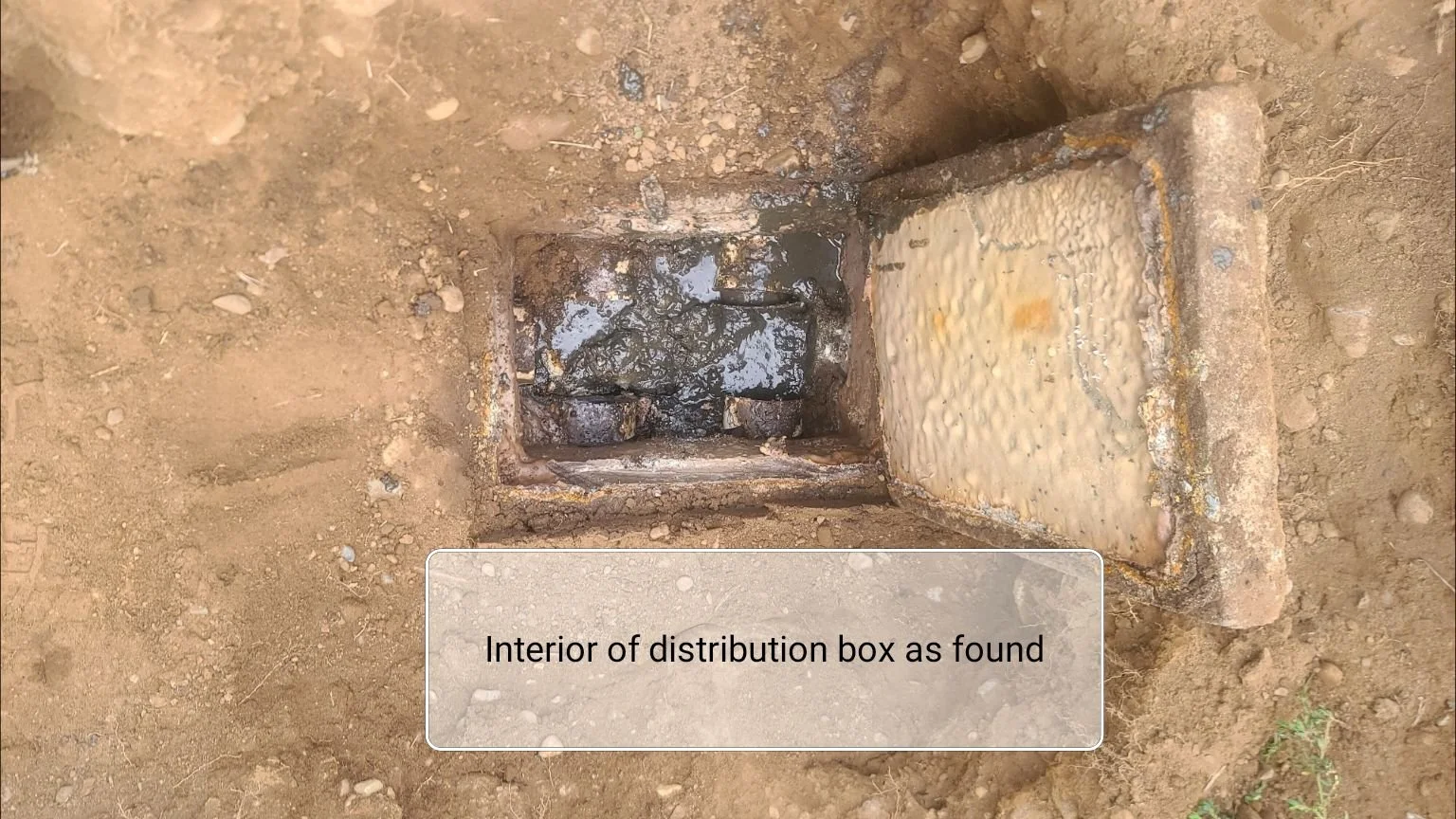
Old or damaged tanks and baffles
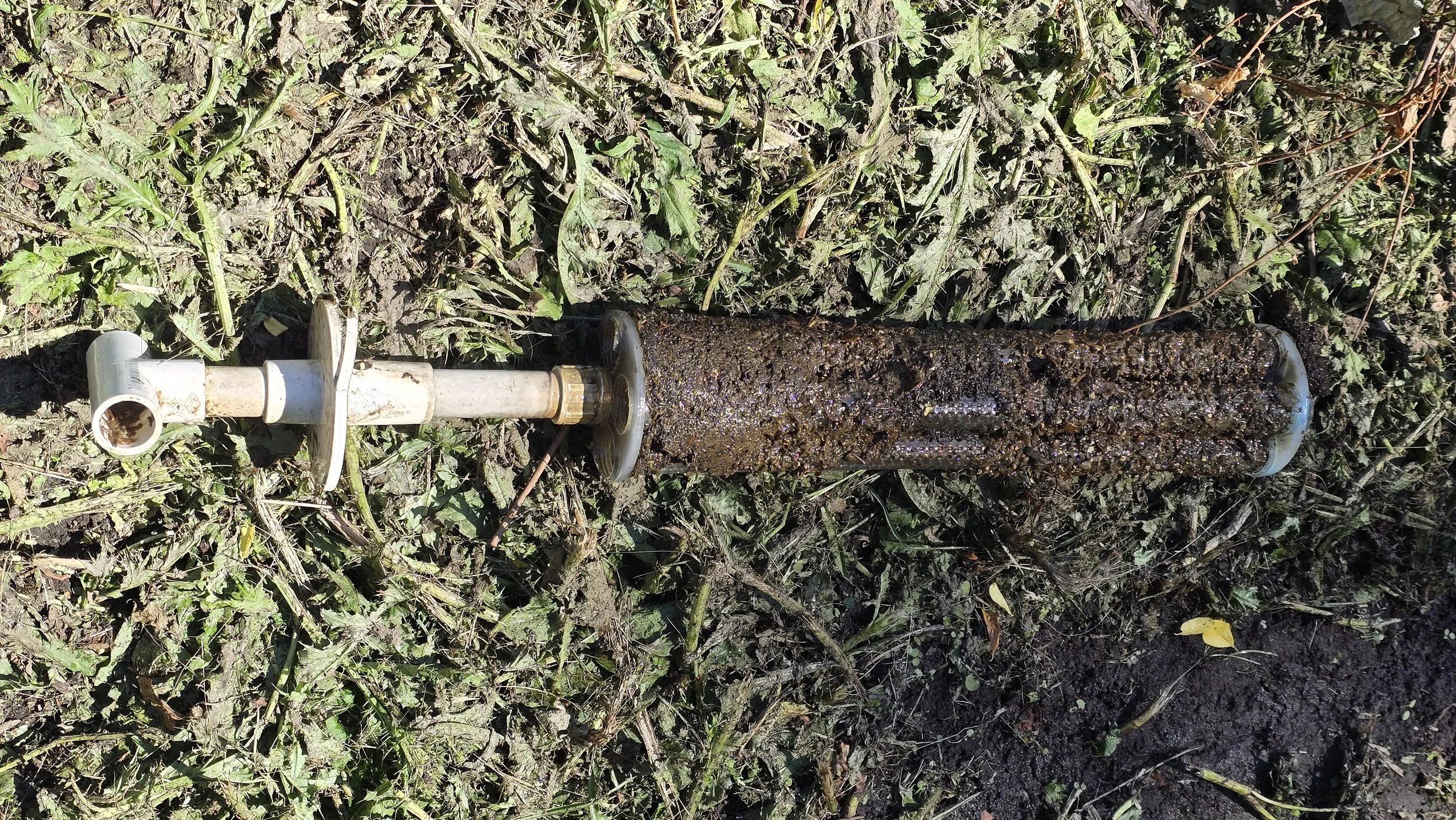
Clogged effluent filters causing backups
Failing pumps or alarms
Drain fields showing signs of saturation or poor performance
Systems that no longer meet current regulations
Many of these problems remain hidden until they cause a sudden failure — which is exactly why a proper inspection matters. How Much Does a Pre-Transaction Inspection Cost? A thorough septic inspection with True Water Septic costs only a small fraction of what even minor repairs or a full system replacement ($40,000+) would cost. It’s one of the highest-return investments you can make during a real estate transaction. Why Choose True Water Septic? As a locally owned and operated company serving Greater Victoria and the Gulf Islands, we specialize in independent real estate septic inspections. We focus on honest, unbiased assessments so you get clear and reliable information. Our detailed reports help buyers, sellers, and realtors make confident decisions. Don’t Wait Until It’s Too Late. Whether you’re buying your dream home on the Saanich Peninsula or selling a property in Sooke, a professional pre-transaction septic inspection should be part of your due diligence checklist. Contact True Water Septic today to schedule your inspection. We provide prompt, professional service across Greater Victoria, Sooke, Langford, Saanich, Sidney, Colwood, Metchosin, Highlands, and the Southern Gulf Islands. Call us at (250) 589-1410 or email truewaterseptic@gmail.com to book your pre-transaction septic inspection. True Water Septic – Independent, reliable septic inspections you can trust.
What to Do When Your Septic System Has an Emergency: Step-by-Step Guide to Backups and Alarms
That sinking feeling when your toilet won't flush, the drain backs up, or your septic alarm starts blaring—septic emergencies happen fast, often at the worst times like holidays or heavy rains. The good news? Acting quickly can minimize damage, prevent health hazards, and save you thousands in repairs. Whether it's a Type 1, 2, or 3 system, here's your calm, step-by-step guide to handling backups, overflows, or alarms without making things worse.
True Water Septic | Victoria ∙ Langford ∙ Colwood ∙ Sooke ∙ Saanich ∙ Sidney ∙ Metchosin ∙ Highlands ∙ Gulf Islands
That sinking feeling when your toilet won't flush, the drain backs up, or your septic alarm starts blaring—septic emergencies happen fast, often at the worst times like holidays or heavy rains. The good news? Acting quickly can minimize damage, prevent health hazards, and save you thousands in repairs. Whether it's a Type 1, 2, or 3 system, here's your calm, step-by-step guide to handling backups, overflows, or alarms without making things worse.
Remember: We're not pumpers, but we specialize in diagnosing and fixing the root causes—like failed pumps, clogged filters, or drain field issues—for systems across Vancouver Island.
Step 1: Stop All Water Use Immediately
The #1 rule: Don't add more water to the system! This prevents further backups and gives your drain field a chance to recover.
Turn off faucets, showers, dishwashers, and washing machines.
Avoid flushing toilets (use a bucket or portable option if absolutely necessary).
Tell everyone in the house: "No water until we sort this out." Why? Even a single flush can push sewage into your home or yard, turning a small issue into a biohazard.
Step 2: Silence the Alarm (If It's Sounding) and Check Basics
For Type 2 or 3 systems with alarms:
Locate the control panel (usually near the tank or in your basement/garage) and press the "silence" or "test/reset" button to stop the noise.
Check the septic system's breaker in your home's electrical panel—flip it off and on to reset if it's tripped.
Note the alarm type: Steady beep (high water level)? Flashing light (pump failure)? If no alarm but you suspect a backup (slow drains, gurgling, wet spots in yard, or foul odors), skip to assessing visible signs. Pro Tip: Test your alarm monthly to avoid surprises—it's as simple as pressing the test button.
Step 3: Assess the Situation Safely (From a Distance)
Don't dive in—raw sewage can carry harmful bacteria.
Look for visible signs: Soggy yard over the drain field? Sewage pooling? Backups in multiple drains (vs. just one, which might be a clog)?
Check water levels if you can safely access the tank lids (use gloves and a flashlight—never enter the tank).
Note details: When did it start? After heavy rain? Recent high water use? Avoid: Probing the field yourself or using chemical additives—they can make things worse.
Step 4: Protect Your Home and Health
If there's standing water or sewage inside:
Evacuate the area if odors are strong or water is deep.
Use a sump pump (if you have one) to remove excess water from basements or low areas—pump it outside, away from the drain field.
Wear protective gear: Rubber gloves, boots, and masks if you must handle anything.
Keep kids and pets away. If it's severe (sewage in living areas), contact your local health authority like Island Health for guidance on safe cleanup.
Step 5: Call the Pros Right Away—Don't Wait!
Septic emergencies rarely fix themselves, and delaying can lead to total system failure.
For pumping needs: Contact a licensed septic pumper first to empty the tank.
For everything else: Call us at True Water Septic for diagnostics, repairs, and fixes—we handle effluent filters, pumps, alarms, control panels, and drain field issues. Our 24/7 emergency response means we're there fast, often same-day in Victoria, Sooke, or the Gulf Islands. What to tell us: System type, symptoms, and when it started—we'll guide you over the phone.
Step 6: Follow Up and Prevent Future Emergencies
Once the immediate crisis is handled:
Schedule a full inspection to find the root cause (e.g., clogged filter, failed pump, or tree roots).
Get on a maintenance plan—annual for Type 2/3, every 1-3 years for Type 1.
Adopt good habits: Conserve water, avoid flushing non-biodegradables, and divert runoff from the field. Most emergencies stem from neglect—regular check-ups catch issues early.
Septic troubles are stressful, but quick action turns disasters into minor hiccups. We've helped many Island families through this—let us help you.
Call or text now for emergency support: (250) 589-1410
Or visit: truewaterseptic.ca/emergency
Stay safe and dry,
The True Water Septic Team
12 Septic-Savvy Tips Every Vancouver Island Homeowner Needs to Know
It all begins with an idea.
True Water Septic | Victoria ∙ Langford ∙ Sooke ∙ Saanich ∙ Sidney ∙ Gulf Islands
Living in a rural area or in an unsewered neighbourhood means you’re personally in charge of treating your family’s wastewater — and keeping our beaches, creeks, and wells safe.
The Capital Regional District’s free Septic Savvy program (crd.bc.ca/septic) is hands-down the best plain-English resource out there, and these 12 tips are the ones we share with every customer (and the ones we wish every new client had followed years ago).
Know your system type
Type 1 = Basic treatment using a septic tank and septic field, that may also have a pump.
Type 2 = Basic treatment + a secondary treatment plant
Type 3 = advanced treatment (usually for waterfront or tight lots)
If you don’t know which one you have, dig out your “as-built” drawing or call us — we’ll tell you in five minutes.
2. Find your lids and risers today
Nothing wastes more money than paying a crew to hunt for buried tank lids. Install risers to surface level once and save hundreds every future visit.
3. Pump when the pro says, not “every 5 years”
Some tanks need pumping every 2 years, others every 8. Only an actual inspection tells the truth.4.Effluent filters are your drain field’s best friend
4. We replace or clean more clogged filters than anything else. A filter that’s serviced on time can save a $30,000 field.
5.“Flushable” wipes are never flushable
They’re the #1 reason we get emergency calls in Colwood and Langford. Trash them, don’t flush them — no exceptions.
6. Spread your water use across the week
Doing six loads of laundry on Saturday + everyone showering after the soccer game = hydraulic overload. Your field can’t handle it.
7. Garbage disposals double the solids in your tank
If you have one, move to annual or bi-annual inspections instead of waiting.
8. Keep the drain field naked
No parking, no patios, no trampolines, no new sheds, and definitely no trees or deep-rooted shrubs over the field.
9. Divert roof and driveway runoff.
Rainwater that pours onto the drain field is the fastest way to drown it.
10. Fix leaky toilets immediately
A running toilet can add 50–200 litres a day — enough to saturate the field in weeks.
11. Test your alarm. Press the “test” button monthly. A dead alarm is the same as no alarm.
12. Get on a reminder program
We’ll text or email you when you’re due — for free. Most of our best customers never have to remember a thing.
Want the full Septic Savvy homeowner guide and checklist?
Download it here (one click, no signup): crd.bc.ca/septic
Do these 12 things and your septic system will easily last 30–50 years while keeping our Island waters clean.
Need help with any of them? Give us a call or text at (250) 589-1410 — we’re happy to walk your property and make sure everything is truly savvy.
Here’s to decades of trouble-free flushing,
The True Water Septic Team
Why a Healthy Septic System Is One of the Greenest Choices You Can Make on Vancouver Island
When most people think “eco-friendly,” they picture solar panels or electric cars.
Few realize that a properly maintained septic system is actually one of the lowest-impact wastewater solutions on the planet — especially here on Vancouver Island, where we live surrounded by sensitive oceans, salmon streams, and shallow wells.
True Water Septic | Victoria ∙ Langford ∙ Sooke ∙ Saanich ∙ Sidney ∙ Gulf Islands
When most people think “eco-friendly,” they picture solar panels or electric cars.
Few realize that a properly maintained septic system is actually one of the lowest-impact wastewater solutions on the planet — especially here on Vancouver Island, where we live surrounded by sensitive oceans, salmon streams, and shallow wells.
A failing septic system, on the other hand, can quietly become one of the single biggest pollution source on your property.
Here’s the truth most homeowners never hear.
1. Your Septic System Is a Mini Treatment Plant — When It Works
A well-designed and maintained Type 1, Type 2, or Type 3 system removes 95–99 % of pollutants before the water ever reaches the soil or groundwater.
That final, crystal-clear effluent is often cleaner than the stormwater running off urban streets.
We’ve tested effluent samples from properly serviced Type 2 & 3 systems in Metchosin and Saanich that were safe enough to irrigate a vegetable garden with (and in some cases do!).
2. A Failing System = Raw Sewage in Our Waters
When filters clog, pumps fail, or biomat seals the drain field, untreated or partially treated sewage starts surfacing or migrating sideways.
Real-world consequences we’ve seen on the Island:
E. coli spikes in Colwood creeks after heavy rain
Shellfish bed closures in Saanich Inlet traced back to uphill septic failures
Private wells in the Highlands testing positive for coliform bacteria
Dead zones in shallow bays where excess nutrients trigger algae blooms
One single failing seaside lot in the Gulf Islands can release more phosphorus in a year than an entire street of city homes on municipal sewer.
3. Septic Done Right Beats City Sewer for the Environment
Yes, you read that correctly.
Municipal treatment plants use massive amounts of electricity and chemicals and still discharge into the ocean (Victoria’s own system only went to secondary treatment in 2020).
A modern, maintained onsite system uses very little or zero electricity (Type 2/3), no chlorine, and returns clean water directly to your local aquifer — exactly where rain would have gone anyway.
In rural and semi-rural areas like Sooke, Langford, or Saanich, onsite septic is almost always the greener choice.
4. The Biggest Environmental Threats We See Every Week
Clogged or missing effluent filters → solids destroy the drain field in 3–7 years
Overloaded Type 1 systems from too many bedrooms or a new hot tub
Neglected Type 3 treatment plants with dead pumps or blown fuses
Trees and shrubs planted over the drain field → roots invade and shatter pipes
All 100 % preventable.
5. Simple Actions That Protect Our Island Waters
Keep up your maintenance schedule (annual for Type 2 & 3, every 1–3 years for Type 1)
Never flush wipes, chemicals, grease, or medications
Conserve water — low-flow fixtures and spread-out laundry days help immensely
Keep rain gutters and driveway runoff away from the drain field
Have us check your effluent filter and alarm every visit (we clean filters before they fail, not after)
We’re Not Just Fixing Septic Systems — We’re Protecting the Island We Love
Every service call we do in Langford, Sidney, or Salt Spring keeps another 250–400 litres a day of clean water returning safely to the ground instead of polluting our beaches and shellfish beds.
If every septic owner on Vancouver Island did basic maintenance, we would remove more nutrients and pathogens from local waters than any new municipal plant ever could.
Let’s prove that rural and acreage living can be the most environmentally responsible way to live on this coast.
Book a maintenance or inspection today and do something genuinely good for the Island →
truewaterseptic.ca/maintenance
Because clean water starts in your own backyard.
Stay green (and blue),
The True Water Septic Team
Proudly protecting Vancouver Island’s waters one system at a time
Why Regular Septic Maintenance Is the Cheapest Insurance You’ll Ever Buy
Why Regular Septic Maintenance Is the Cheapest Insurance You’ll Ever Buy
Most Island homeowners only call us when the toilets won’t flush, the yard is soggy, or Island Health is knocking. By that point the damage is done — and the fix usually costs $8,000–$35,000.
The truth? 90 % of those emergencies are completely preventable with simple, regular maintenance on your Type 1, Type 2, or Type 3 septic system.
Here’s why skipping it is the most expensive “saving” you’ll ever try.
True Water Septic | Victoria ∙ Langford ∙ Colwood ∙ Sooke ∙ Saanich ∙ Sidney ∙ Metchosin ∙ Highlands ∙ Gulf Islands
Most Island homeowners only call us when the toilets won’t flush, the yard is soggy, or Island Health is knocking. By that point the damage is done — and the fix usually costs $8,000–$35,000.
The truth? 90 % of those emergencies are completely preventable with simple, regular maintenance on your Type 1, Type 2, or Type 3 septic system.
Here’s why skipping it is the most expensive “saving” you’ll ever try.
1. The Real Cost of Neglect (Real Jobs We’ve Seen This Year)
Routine annual or bi-annual maintenance visit: $325–$650
Emergency service call after a backup into the house: $1,500–$4,500
Partial or full treatment-plant or drain-field replacement: $18,000–$45,000+
We’ve done all three in the last 12 months. The families who stayed on a maintenance plan paid the first price. The ones who waited paid the last two.
2. What “Regular Maintenance” Actually Means in 2025 (BC Guidelines)
System Type Household Size Recommended Service Frequency
Type 1 (standard) 1–3 people Inspection + service every 2–3 years
Type 1 4+ people Every 1–2 years
Type 2 / Type 3 Any size Annual maintenance strongly recommended
Garbage disposals, hot tubs, or frequent guests? A shorter interval is recommended.
3. The Silent Killers You Can’t See Every month without service:
Effluent filters clog → solids escape into the drain field or treatment plant
Biomats grow and harden → permanent loss of percolation
Pumps, floats, and alarms fail → untreated sewage backs up or overflows
We’ve opened Type 2 and Type 3 control panels in Langford and Sooke that hadn’t been checked in 5+ years — alarms were dead, pumps were burned out, and the field was already failing.
4. 7 Habits That Protect (or Destroy) Your System Do these and sleep easy:
Schedule your annual or bi-annual maintenance visit
Use only septic-safe toilet paper
Fix dripping faucets and running toilets immediately
Spread laundry and shower loads throughout the week
Never do these:
Flush wipes (even the ones that say “flushable”)
Pour grease, paint, chemicals, or medications down any drain
Park or drive over the tank, field, or treatment plant
Ignore alarm lights or strange odours
5. What You Actually Get With a True Water Septic Maintenance Visit
(We don’t pump tanks — we leave that to the pumping companies — but we do everything else, and we do it better.)
Every service includes:
Full visual and functional inspection of your Type 1, 2, or 3 system
Cleaning or replacement of effluent filters (the #1 cause of premature field failure)
Pump and float testing + alarm verification
Control-panel diagnostics and minor adjustments
Drain-field probe check and surface inspection
Detailed written report
Free reminder service — we’ll contact you when you’re due again
Stay dry out there,
The True Water Septic Team
Keeping Greater Victoria flowing
P.S. Forward this to the neighbour who still thinks “out of sight, out of mind” works for septic systems. You might just save them a small fortune.